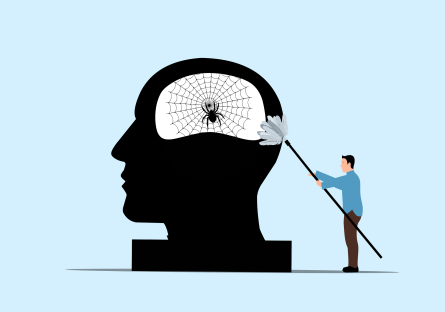
On the subject of stress, the philosopher emperor Marcus Aurelius wrote: “If you are distressed by anything external, the pain is not due to the thing itself but to your own estimate of it; and this you have the power to revoke at any moment.” It’s a wise observation, but what if the thing that’s distressing you is internal? Sometimes we feel stress because the world is bearing its crushing weight down upon us; other times it’s because of physical or mental issues we’re personally experiencing. Whether your stress is caused from within or beyond you, there are things you can do to calm down, de-stress, and vent off steam.
Know Your Triggers
One of the most important parts of stress management is understanding what your triggers are. What causes you the most stress? What is a consistent source of stress and anxiety in your life? Knowing what the major stressors in your life are is crucial because it can give you a plan of action for de-stressing. What can you do to limit your exposure to these stress triggers? Is there a way to lessen their impact? If it’s money woes, could you adjust your budget to give yourself some breathing room? Is it the pressure of familial obligations? Is there someone who could help by pitching in and watching the kids or caring for an elderly relative?
Taking up journaling as a daily practice can help you with this. Make a point of recording every day when you felt stressed out and note the circumstances that surround it. Doing this consistently could help you see the cause and effect affecting your stress levels.
Your Diet Matters
What you eat doesn’t just affect you physically. A poor diet that is high in saturated fats, salt, and sugar can leave you feeling tired, worn out (especially post sugar crash), and depressed. Incorporating healthier staples into your diet like fruit and vegetables, lean protein, whole grains, and low-fat or no-fat dairy can give you more energy and won’t spike your cortisol— the hormone that regulates your stress levels. Dehydration can also be a major stressor so make sure you’re drinking plenty of water (an average of 2.7-3.7 liters per day, which is around 6 to 8 glasses worth).
Don’t Short Change Your Sleep
Another basic but essential physical function to monitor when it comes to stress is sleep. Are you getting enough sleep? The human body needs at least 7 to 9 hours of sleep to operate properly. Sleep deprivation is a force multiplier when it comes to stress; if you’re already feeling stressed for other reasons, a lack of sleep will make it much worse. Keep these best practices for a good night's rest: avoid caffeine or alcohol for several hours before rest; don’t use any screens for up to 2 hours before going to bed (the blue light from screens can disrupt the melatonin in your body and make it harder to fall asleep).
Be Proactive, Don’t Procrastinate
Few things can push our stress levels into the red quite like waiting until the last minute to do something. That mad scramble to get something you need done, the worry that you’re running out of time, the anxiety that it won’t come out right, the more work you’ll create for yourself in the future because you waited too long to do this— all of these factors and more are why procrastination can be a serious stressor in your life.
Instead of trying to tackle something all at once and overwhelm yourself, break your tasks up into smaller “bite-sized” units. Doing a few little things every day can snowball over time. The key to staying on top of this approach is to become more organized. Use calendar reminders, dayplanners, scheduling apps, and/or checklists to track your progress and remind you about what you need to do.
Set and Maintain Boundaries
It can be tempting to “always be on” and say yes to everything because you want to be seen as a worker/friend who goes above and beyond. If you overcommit, you’ll risk burning yourself out, procrastinating, and possibly neglecting critical de-stressing functions like sleep and exercise to devote more time to all your commitments. Be comfortable saying no. Set boundaries in your work and personal lives; let people know when you’re available and when you’re not, and then make sure you COMMIT fully to that schedule. You answer a few work emails in your off hours and soon enough you’ve set an expectation that you’ll always be available for work
Article by Austin Brietta
Want more wellness tips? Check out these stories: