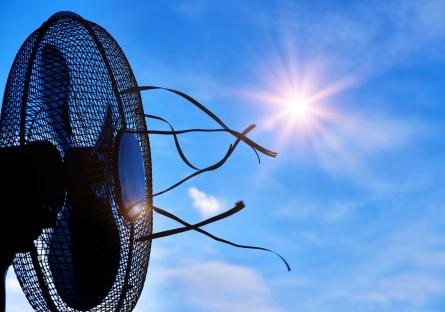
Now that we’re in the middle of July, we’re really feeling the heat. It’s hard to walk outside and not feel like you’re about to melt into a puddle like the Wicked Witch. Keep yourself cool this summer by following these rules of thumb for beating the heat.
Drink Before You Get Thirsty
Dehydration can be a serious health hazard, especially during a blazing hot summer. The average person needs to drink at least 8 glasses of water (that’s around 2.7-3.7 liters) everyday. That amount can change based on factors like chronic health problems and activity levels. If you’re doing a lot of physical activity, plan to drink more water. Remember: when you sweat, your body is losing fluid. Whether you’re sweating from a workout or from being outside, you’ll need to replenish that lost fluid promptly before you dehydrate. This is also true for bowel movements, so if you find yourself experiencing diarrhea you’ll want to drink a larger quantity of water to compensate for the fluid loss.
A common mistake people make is only drinking when they feel thirsty. If you’re thirsty, it’s too late: thirst is your body’s way of signaling that it’s becoming dehydrated. It’s better to take sips frequently throughout the day than to wait until you feel parched and down a glass in one big gulp. A helpful indicator of your current hydration levels is the color of your urine. The darker the color of your urine, the more dehydrated you are.
If you’re not fond of drinking water, don’t worry: while you do need to drink water, you can supplement your hydration with teas, seltzers, fruit juices, and even fruits like watermelon and cantaloupe to keep yourself properly quenched. The key is to be careful about drinking too many sugary drinks or alcohol, as those kinds of beverages can rapidly dehydrate you.
Cover Your Windows
A simple and effective way to cool your home is to reduce the amount of sunlight that shines into it. Window treatments like shades, shutters, and especially blackout curtains give you control over how much light gets inside your home. You’ll also want to keep your windows and doors shut as much as you can while your air conditioning is running because the influx of hot air indoors will decrease the effectiveness of your A/C unit.
Lighten Up
If you want to keep cool, be more colorful. Light colors like white and pastels have a reflective quality, which can help keep the heat off you. Dark colors, on the other hand, are less reflective and thus tend to “drink up” the heat. One important thing to keep in mind with color and heat absorption is that it’s based around light; if you’re wearing light colors around a different heat source (like an open stove), it won’t make you any cooler than wearing an all-black outfit. This principle is also true for paint, so if you have dark colored walls they will absorb more heat from exposure to sunlight than lighter ones. An added bonus for giving your home’s interior a lighter coat of paint: less heat means your A/C doesn’t have to work as hard, which can lower your monthly bill.
Sleeve And Sweat
Here’s a little trick that’ll seem counterintuitive: wear long sleeves to keep cool! It can be tempting to go “guns out” in the summer and opt for short sleeves or sleeveless but it’s actually cooler to wear long sleeves. Long sleeves trap sweat on your skin, which helps keep your body temperature cool. Short sleeves lead to sweat evaporating at a faster rate, so you won’t enjoy that cooling benefit.
Some Like It Hot
Speaking of counterintuitive: did you know that hot showers and drinking hot drinks like coffee can actually cool you down? The principle is the same for both: when our bodies are exposed to sudden temperature changes, our body temperature adjusts to compensate for it. A cold shower warms up our bodies while a hot one triggers an internal shift toward a cooler body temperature.
Article by Austin Brietta
Want more wellness tips? Check out these stories: