Semiconductor Pathways in Arizona's Technical Education (SP-ATE)
The ETSTE DCL: Semiconductor Pathways in Arizona's Technical Education (SP-ATE) project aims to equip Arizona’s student population with the knowledge and skills needed to enter and thrive in the rapidly growing semiconductor industry. In partnership with Arizona State University, the University of Arizona, Northern Arizona University, and the Chandler Unified School District, the project will build clear, accessible educational pathways from high school through community college to university and industry employment. It emphasizes inclusive outreach, multimodal learning opportunities, and strong engagement with local employers. The project supports Arizona’s economic development by expanding access to high-paying technical careers and helping close regional workforce gaps in advanced manufacturing and microelectronics. This project is funded by the Advanced Technological Education program and is supported in part by funds from Intel Corporation under the ETSTE DCL.
The program will:
- Develop industry-aligned curriculum
- Coordinate a high school-to-university pathway
- Build professional learning communities for educators
- Deliver a flexible, multimodal course
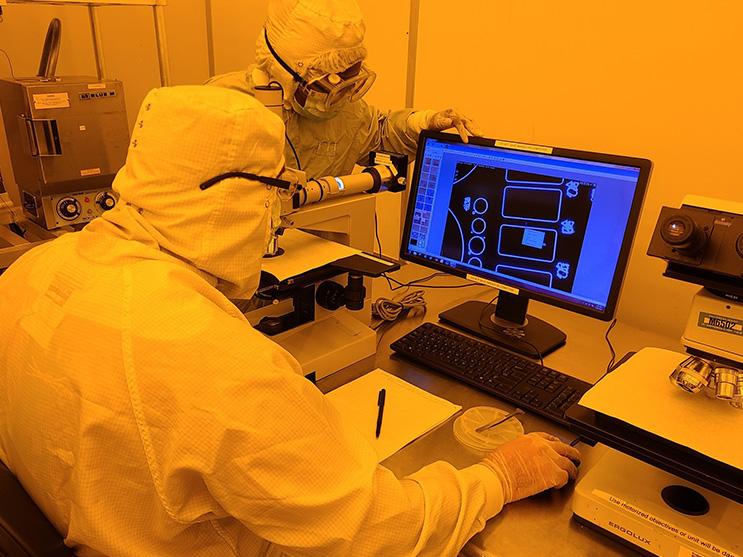
- Create hands-on laboratory experiences at partner facilities
- Target outreach and student recruitment
- Establish an integrated industry advisory board
NSF Grant #2500695

The semiconductor industry in the Phoenix, Arizona area is experiencing significant growth, driven by an increasing demand for advanced technologies and a robust economic environment that supports high-tech manufacturing. Since 2020, Arizona has won more than 40 semiconductor expansions, representing over $102 billion in capital investment and over 15,700 direct industry jobs. These projects span the entire ecosystem, including manufacturing, advanced packaging, research and development, equipment, supply chain, and workforce development. According to the Arizona Commerce Authority, until recently, the significance and prevalence of the products made by these companies have largely gone unnoticed by Americans, leading to an underestimation of the career opportunities within this industry.
As a result, there is a critical need for a skilled workforce, particularly semiconductor technicians who are trained at the high school and community college levels. Recent industry reports and labor market analyses highlight a substantial employment gap, with regional employers struggling to find qualified technicians to fill current and projected positions. Community colleges and high schools play a vital role in bridging this gap by providing focused, accessible training programs that align with industry needs.