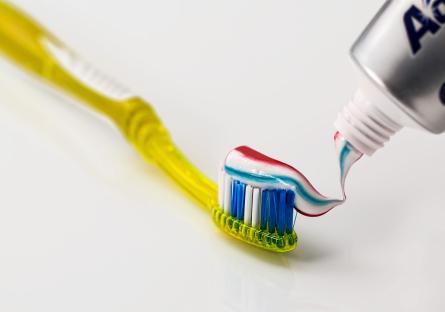
When it comes to keeping your teeth clean, there’s no days off! Good oral hygiene takes consistency. Neglect your brushing and flossing and that can lead to long-term health problems like cavities, gum disease, and teeth loss. Give yourself the gift of healthy teeth this holiday season by following some of our oral hygiene tips.
Brush, Brush, Brush Your Teeth
There’s a reason why the importance of brushing our teeth is drilled into us as kids: it’s an essential practice. The question becomes: what are the best practices for brushing? For starters: twice a day, minimum. The recommended duration is two minutes per brushing session. Brush at a 45-degree angle toward your gums so it sweeps away plaque and bacteria on your gum line. Make sure to brush the tops of your teeth, backs, and sides.
In terms of timing, you should wait at least 30 minutes to an hour between meals before brushing. Acidic food can temporarily soften your enamel, which means if you brush right after you eat you risk scraping away protective enamel.
Floss Every Day
No matter how diligent a brusher you are, there’s some parts of your mouth that you can’t clean with a toothbrush. Particles and scraps of food can get caught in-between your teeth. Left untreated, those bits of food can eat away at your teeth and gums. They can also cause bad breath. Flossing is the solution to these problems. Flossing for 1-3 minutes a day can help keep your teeth in good shape. If you don’t like to use regular floss, there are disposable picks and water picks you can use to clean between your teeth.
Don’t Forget To Brush Your Tongue
While it’s good to focus most of your oral hygiene efforts on keeping your teeth clean, don’t neglect your tongue. Bacteria can piggyback on your tongue. Oftentimes, if you have bad breath it’s because of the bacteria clinging to your tongue. Rinsing your mouth out with water isn’t enough; you have to apply a little persistent force to clean your tongue.
To clean your tongue, you can either use a toothbrush or a tongue scraper. Make sure to brush back and forth as well as side to side, then rinse your mouth with water. Don’t brush too hard: you don’t want to break your skin!
Use Mouthwash
In addition to brushing and flossing, you should add regular mouthwash rinsing to your daily routine. The key to proper mouthwash use is to avoid using it right after you brush your teeth. Make sure there’s at least a 30 minute gap between when you use mouthwash and when you brush. The reason why you don’t want to mouthwash right after brushing is brushing leaves behind beneficial fluorides afterward that need time to be absorbed. Those fluorides can work toward strengthening enamel and protecting against cavities, so you don't want to lose those.
Stay Hydrated
Drinking lots of water is a crucial part of dental hygiene. Water washes away food and bacteria, neutralizes acid, and stimulates saliva production, which is needed for helping to prevent gum disease and cavities. A lack of saliva can also increase the amount of plaque and bacteria in your mouth, which can cause oral diseases and bad breath.
If you’re not a big water drinker, don’t forget that you can also get hydration from teas, juices, and fruits and vegetables like cucumbers. Just be careful not to drink anything too sugary, as that can be counterproductive.
Article by Austin Brietta
Want more wellness tips? Check out these stories: