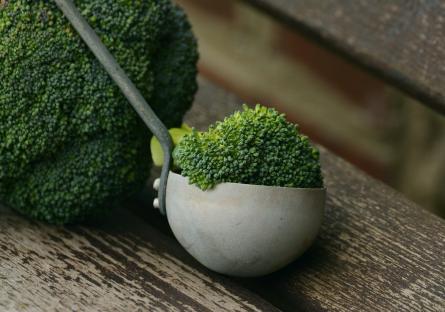
It’s the question all kids dread hearing and parents dread asking: did you eat your vegetables? Vegetables aren’t always the most immediately appealing thing on our plates, but they tend to also be the most beneficial to eat. Leafy greens and other veggies are rich sources of nutrients, and few veggies are as jam-packed with nutritional goodness as broccoli. It may smell like death when you cook them but they’re worth the trouble to prepare and consume because broccoli is a legitimate superfood. For our latest Wellness Wednesday story, we’re saying no to dessert and yes to an extra big helping of broccoli.
Packed With Nutrients
When it comes to vitamins and minerals, broccoli packs a serious nutritional punch. This small green veggie is dense with nutrients, providing a well-rounded assortment of good stuff that your body needs.
Broccoli contains:
- Fiber
- Vitamin C
- Vitamin A
- Vitamin K
- Vitamin B9
- Potassium
- Phosphorus
- Magnesium
- Potassium
- Selenium
- Folate
- Protein
- Calcium
An important thing to keep in mind is that HOW you prepare broccoli can affect its nutritional profile. Eating raw broccoli gives you more vitamin C while cooking it can reduce some of its nutritional content. Steaming broccoli is usually the safest cooking option because it has fewer adverse effects than other cooking methods like boiling, stir fry, and/or microwaving.
Antioxidant Rich
Among the many healthy properties broccoli possesses is its rich allotment of antioxidants. Antioxidants are molecules that inhibit or cancel out cellular damage caused by highly unstable molecules called free radicals. One of the things that free radicals do to your bodies is degrade the proteins and fats in your body that help maintain tissue structure, which can lead to premature aging, wrinkles, and loss of elasticity in your skin. Free radicals have also been linked to an increased risk of becoming afflicted with a chronic disease like cancer.
In addition to fighting free radicals through antioxidants like lutein and zeaxanthin (both of which have eye-health supporting benefits), broccoli also contains the antioxidant sulforaphane. Sulforaphane offers multiple health benefits: reduced blood sugar, a drop in cholesterol levels, decreased oxidative stress, and a lowered risk of chronic disease development.
Protects Against Inflammation
Broccoli is full of compounds called aryl hydrocarbon receptor ligands that protect the lining of your small intestine. These ligands help by making sure that only water and nutrients pass through into your bloodstream, keeping out undigested food particles, bacteria, and other disease-carrying particulates. When the lining of your small intestine is damaged, these other things could pass through, which can lead to infections and inflammation. The damaged lining also makes it harder to absorb and retain the nutrients you need.
A Common Ancestor
Here’s a fun fact: broccoli is technically the same species of plant as cabbage, cauliflower, kale, brussel sprouts, collard greens, AND kohlrabi. All of these vegetables are variations of the wild mustard plant brassica oleracea. Technically they are the SAME plant, but have been bred in different ways to enhance their nutritional profiles and emphasize different flavors and characteristics.
Article by Austin Brietta
Want more wellness tips? Check out these stories: