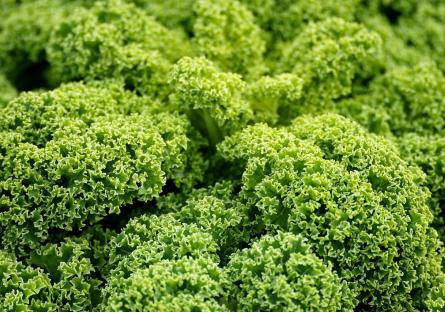
“Eat your greens” is one of those basic truths that gets drilled into us as children. Leafy green vegetables are an essential part of any balanced diet, as they are packed with an array of vital nutrients. Vitamin K is one of those health-boosting nutrients commonly found in greens. While it may not be as well-known as some of the earlier letters in the vitamin alphabet, it has just as important a role in our health as vitamin C or D or any of the B’s. For this week’s Wellness Wednesday, we’re offering up a few reasons why you should kick it with vitamin K more often.
Kinds of K
When we talk about vitamin K, we’re actually talking about two different but complementary vitamins. Vitamin K1 is the more common form of the vitamin; it’s found mainly in leafy green vegetables. Vitamin K1 is also known as phylloquinone. Vitamin K2 (also known as menaquinone) is found primarily in animal foods, cheeses, and some fermented plant foods. K2 is usually present in smaller amounts in these foods compared to the amount of vitamin K1 that can be found in vegetables.
Sources of Vitamin K
If you’re looking to add more vitamin K to your diet, you can’t go wrong with leafy greens. Most types of greens are a reliable source of vitamin K. There are other foods that are also rich in vitamin K, which include:
- Kale
- Spinach
- Turnip greens
- Mustard greens
- Swiss chard
- Collard greens
- Broccoli
- Natto
- Brussels sprouts
- Soybeans
- Cashews
- Edamame
- Blueberries
- Canned pumpkin
- Pomegranate juice
- Carrots
- Canola oil
Supports Blood Clotting
Vitamin K plays an important role in our body’s ability to mitigate wounds and heal. The vitamin helps make four of the 13 proteins needed for blood clotting. Blood clotting stops wounds from continuing to bleed, giving them time to heal. This can also be a potential downside: if you take certain blood thinners, you’ll need to carefully monitor or even possibly reduce your vitamin K intake. Too much vitamin K can counteract blood thinning medication, reducing their ability to prevent clots from forming.
Strengthens Bones
A major benefit of vitamin K is that it helps fortify and protect your skeletal system. Vitamin K strengthens bones and reduces the risk of low bone density. The vitamin has also been linked to lower chances of bone fractures.
Improves Cognition
Vitamin K has also been linked to improved cognitive functioning. Blood rich in vitamin K helps reduce brain inflammation, improve memory retention, and lead to lower risks of Alzheimer’s and other forms of cognitive decline. In addition, vitamin K supports the growth of brain cells and neurons in the memory center of your brain.
How Can I Tell if I’m Not Getting Enough Vitamin K?
Vitamin K deficiencies aren’t common in adults but can happen with a poor diet. Be mindful of these symptoms; if you experience any of the following, consult a physician before making any big changes to your diet.
Symptoms of a vitamin K deficiency include:
- Fatigue
- Excessive bleeding from minor wounds
- Osteoporosis/bone fractures
- Heavy menstrual bleeding
- Frequent bruising
- Blood in stool or urine
- Small blood clots under the nails
- Bleeding gums
Article by Austin Brietta
Want more wellness tips? Check out these stories: