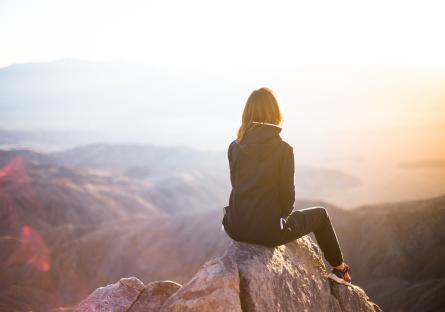
We’re past the dog days of summer and a few weeks away from the advent of fall. As temperatures and leaves start to drop, we’ll feel compelled to once again lace up our hiking boots and return to nature, hoofing up and down trails, working up a sweat from exercise instead of exposure to the merciless summer sun. Whether you’re new to hiking or need a refresher on best practices, here’s a few safety tips to keep in mind when you get back out on the trail.
Hydrate Before the Hike
Proper hydration is essential for hiking. You’re going to lose a lot of fluid while you’re out there from sweating; you need to go in with a “full tank” of water in your body. Make sure you drink plenty of water BEFORE you go hiking. Remember the golden rule of drinking water: if you feel thirsty, you’re already dehydrated.
If you’re going to be hiking at a higher elevation, keep in mind that doing any kind of physical activity at a higher altitude is going to dehydrate you faster than normal. You should also take care not to fall into the trap of thinking you can drink less while you’re walking in cold weather. You can still get dehydrated in cold weather.
Speaking of drinking: avoid drinking any alcohol before or during a hike. Alcohol can dehydrate you, so save that cider or stout as a post-hike treat.
A final note about water: do NOT drink directly from natural sources like streams, rivers, or ponds. These are not sources of potable water and may be contaminated or contain dangerous microorganisms.
Snack Attack
Just as you don’t want to go on a hike thirsty you shouldn’t walk on an empty stomach. Bring snacks with you to keep yourself fueled. You need snacks to maintain your energy levels, keep your muscles from getting fatigued, and as a source of electrolytes. Besides obvious staples like trail mix and energy bars, some good trail foods include:
- Jerky
- Dried fruits
- Nuts
- Peanut butter
- Dark chocolate
- Breads
- Vacuum-pack salmon, tuna, or chicken breast
- Brown rice
- Beans
Be mindful of animals while you’re snacking and avoid feeding them as your human foods could potentially harm them or attract other animals (including predatory beasts).
Be Prepared
Does your phone have a full charge? Do you have an emergency contact who knows you’re going hiking and where you’ll be? Do you know the area you’ll be hiking in? Do you have a map and/or reliable GPS? Do you know what kind of wildlife or natural hazards you might come across? Did you check the weather report? Do you have a spare tire and a jack in case your car breaks down at the site?
These are the kinds of questions you should be asking yourself before hiking. If you’re hiking away from civilization, you should consider worst-case scenarios and plan around them. Consider investing in a satellite communicator if you’ll be hiking in an area with no cell reception. Hike with a buddy or turn on location tracking on your phone and share that tracking with someone you trust.
Gear Up
Regardless of the length or difficulty of your hike, there should be a few things you always take with you. A sturdy, durable pair of hiking shoes is at the top of the list. A backpack to store your water, snacks, and other essentials. A walking stick (get a collapsable one if you don’t want to always have it in hand) could be life-saving if you twist your ankle and need some mobility support to get off the trail. Wear moisture-wicking socks (wool or synthetic) to prevent blisters from forming and try to avoid wearing any fabrics that aren't breathable. A first aid kit, sunglasses, and sunscreen to heal your wounds and protect you from the sun’s blinding UV rays. A flashlight for late-in-the-day or evening hikes. You should also consider bringing pepper spray or bear mace with you in case you run afoul of any predators.
Know Your Limits
It can be easy to underestimate how intensive a hike can be. That’s why it’s important to listen to your body. Don’t push yourself too hard. If you feel exhausted or in pain, stop. Take frequent breaks to refuel and catch your breath. It's better to call it quits on a trail and come back later than to press on further and find yourself unable to continue. Like any kind of exercise, there are thresholds for stamina and ability that can be improved through practice and training. Walking seems real easy until it isn’t and you do NOT want to get to that point when you’re out in nature.
Article by Austin Brietta
Want more wellness tips? Check out these stories: